In the realm of forestry operations, efficiency and effectiveness are paramount. As land managers and contractors strive to meet diverse challenges like vegetation control, land clearing, habitat restoration, and wildfire mitigation, the choice of tools becomes critical. One often-overlooked component that plays a significant role in these tasks is the carbide teeth used in forestry mulchers. These small elements can have a profound impact on operational success, influencing everything from machine performance to cost-effectiveness.
The Role of Carbide Teeth in Forestry Mulching
Carbide teeth are designed to endure the rigors of harsh environments encountered during forestry mulching and land clearing. Unlike traditional steel teeth, which wear down quickly under heavy use, carbide teeth offer enhanced durability and longevity. This resilience is particularly essential when dealing with tough materials such as hardwoods, dense brush, and other challenging vegetation types.
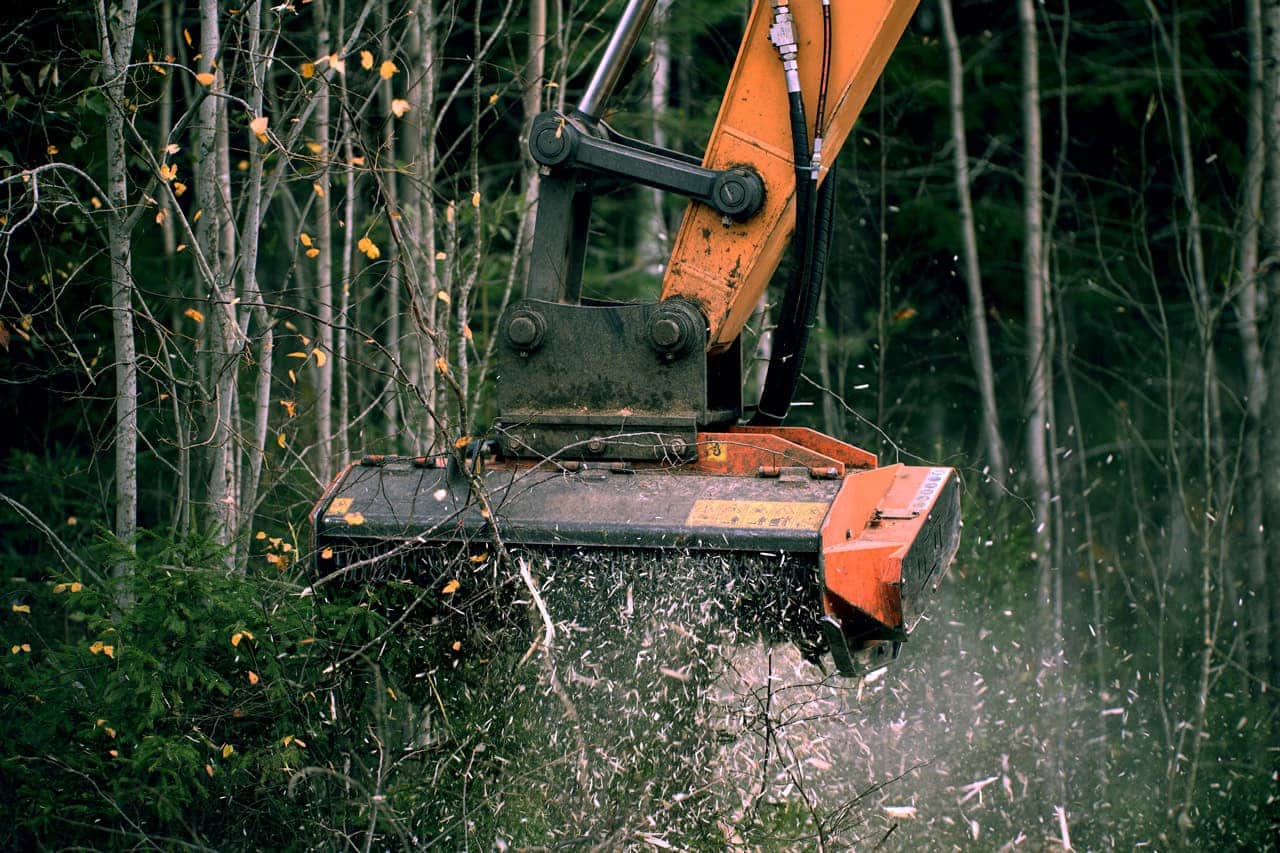
The primary function of these teeth is to efficiently grind down biomass into mulch. This process not only helps in managing vegetation but also contributes significantly SpidermaxUSA machine mulcher to soil health and ecosystem balance by returning organic matter back to the earth. When choosing equipment for tasks such as stump grinding or right-of-way clearing, understanding the type and quality of carbide teeth can make a considerable difference.
Types of Carbide Teeth
Different jobs may require specific types of carbide teeth based on their design and intended application. For instance, there are various shapes—sharp-edged for precise cuts versus blunt designs for aggressive tearing through tough material. Each type affects how well the machine performs its duties.
Sharp-edged Teeth: Best for clean cuts on softer vegetation. Blunt Teeth: Ideal for aggressive removal of dense brush or stubborn stumps. Flat-bottomed Teeth: Useful for creating a smooth finish on cleared areas. Curved Teeth: Provide versatility for varying angles and surfaces. Replaceable Tooth Systems: Allow easy replacements without requiring complete tooth replacement.Selecting the right type ensures that operators can maximize productivity while minimizing wear on machinery.
Factors Affecting Performance
Several factors influence how effectively carbide teeth perform in forestry operations:
- Material Composition: Not all carbide is created equal; higher-quality materials enhance cutting ability and longevity. Design Geometry: The shape influences how efficiently biomass is processed. Operating Conditions: Soil composition, moisture levels, and vegetation density all affect performance.
For instance, working in rocky soil may cause premature wear on less durable carbide options. In contrast, high-quality tooth designs will maintain their edge longer under similar conditions.
Cost Considerations
When evaluating the cost to clear land per acre or engaging in large-scale projects like fuel reduction or invasive species removal, understanding the economic implications of carbide teeth becomes crucial. Higher upfront costs associated with premium carbide tooth systems can lead to significant savings over time due to reduced maintenance needs spidermaxusa.com machine mulcher and longer lifespans.
Operators must weigh immediate budget constraints against long-term operational efficiency gains. For example, a forestry equipment rental company may find that investing in high-quality mulching heads with superior carbide teeth yields better returns through increased client satisfaction and repeat business opportunities.
Evaluating Equipment Options
Choosing the best forestry mulcher for skid steers or excavators often hinges on the quality of its components, especially its teeth system. Operators should look for machines that allow easy access for maintenance or replacements since downtime due to repairs can be costly.
When exploring options like drum mulchers versus disc mulchers, one must consider how each design interacts with different types of carbide teeth:
- Drum Mulchers typically house multiple teeth arranged around a rotating drum; they excel at continuous operation but may require more frequent tooth changes depending on usage. Disc Mulchers, with their circular blades outfitted with fewer but larger teeth, work well for larger vegetation but might struggle with denser materials if not equipped with appropriate tooth designs.
Understanding these variations allows operators to tailor their equipment choices better based on specific project demands.
Environmental Impact
Forestry operations increasingly emphasize eco-friendly practices as land management services evolve towards sustainability goals. Utilizing efficient tools like carbide-toothed mulchers contributes positively by reducing waste through effective biomass recycling while promoting soil health via mulch depth management during operations.
These practices directly support habitat restoration efforts by creating favorable conditions for native species while controlling invasive plant growth—an essential aspect when considering long-term ecological stability post-clearing activities.
Land clearing strategies should also include considerations around maintaining soil integrity to prevent erosion during heavy machinery operation—a task made easier using effective mulching techniques that leave behind protective layers of organic matter rather than bare earth susceptible to runoff.
Enhancing Wildfire Mitigation Efforts
One specific area where effective use of carbide teeth shines is in wildfire mitigation efforts through proactive fuel reduction strategies. By efficiently grinding down excess vegetation before it dries out becomes critical in preventing catastrophic wildfires during peak seasons.
Land managers focusing on right-of-way maintenance often utilize specialized mulching equipment equipped with premium carbide teeth to clear pathways along power lines or roadways effectively without disturbing surrounding ecosystems excessively—a vital balance between infrastructure needs and environmental stewardship principles.
Maintenance Tips for Optimal Performance
Maintaining carbide teeth is essential not only for extending their lifespan but also ensuring optimal performance throughout various jobs:
- Regularly inspect teeth after each job to identify signs of wear or damage early. Rotate or reposition worn-out teeth as necessary if utilizing replaceable systems; this allows even wear across all units. Keep your machines clean; accumulated debris can hinder performance significantly. Invest in high-quality sharpening tools if applicable; keeping edges sharp maximizes cutting efficiency during operations.
By adhering closely to these maintenance tips—alongside thoughtful selection criteria when purchasing new equipment—operators can ensure they get maximum value from their investments while maintaining a commitment toward sustainable land management practices across all projects undertaken within their purview.
Conclusion
The importance of carbide teeth extends far beyond mere functionality; they represent an intersection between technology advancements within forestry operations and environmental consciousness evolving alongside modern-day challenges faced by professionals within this field every day—from habitat restoration initiatives aimed at preserving biodiversity through successful invasive species removal projects—all while addressing pressing concerns around wildfire risks looming over many regions worldwide today!
As industries adapt further towards sustainable solutions tailored specifically towards mitigating ecological footprints left behind by traditional methods employed historically throughout decades past—the role played by quality components such as carbides remains undeniably pivotal moving forward into future operational landscapes yet unexplored!