Vegetation management along transportation corridors is a critical aspect of land stewardship that impacts safety, environmental health, and the overall efficiency of transportation systems. Properly managing vegetation machine mulcher spidermaxusa not only ensures clear sight lines for drivers but also plays a role in reducing wildfire risks, maintaining biodiversity, and enhancing the aesthetic quality of roadways. This article delves into effective practices for managing vegetation along these corridors, highlighting strategies that balance ecological concerns with human needs.
Understanding the Role of Vegetation Management
Transportation corridors often intersect with diverse ecosystems where various plant species thrive. These areas can serve as habitats for wildlife while simultaneously posing challenges to transportation safety and infrastructure. For instance, overgrown vegetation can obstruct visibility at intersections or lead to accidents involving wildlife crossing the roadway. Therefore, a well-thought-out vegetation management plan becomes essential.
The dual objectives of maintaining safe travel routes and supporting local ecosystems require a nuanced approach. This can involve everything from routine maintenance practices like brush cutting to more comprehensive strategies such as habitat restoration and invasive species removal.
Assessing Vegetation Conditions
Effective management begins with an accurate assessment of existing vegetation conditions. This involves identifying not only the types of plants present but also their health and growth patterns. Engaging with professionals skilled in forestry mulching or vegetation analysis can provide insights into which species are beneficial or detrimental to the corridor's safety and ecology.
Considerations during this assessment include:
- Species Composition: Identifying native versus invasive species helps determine appropriate removal or management actions. Growth Patterns: Understanding how quickly certain plants grow can guide maintenance schedules. Environmental Impact: Evaluating how vegetation interacts with soil stability, water drainage, and wildlife habitats informs the best management practices.
For example, if a particular stretch of roadway is flanked by an invasive shrub that grows rapidly, it may necessitate more frequent brush cutting or even complete removal.
Strategies for Effective Vegetation Management
Implementing effective vegetation management along transportation corridors typically involves several key strategies:
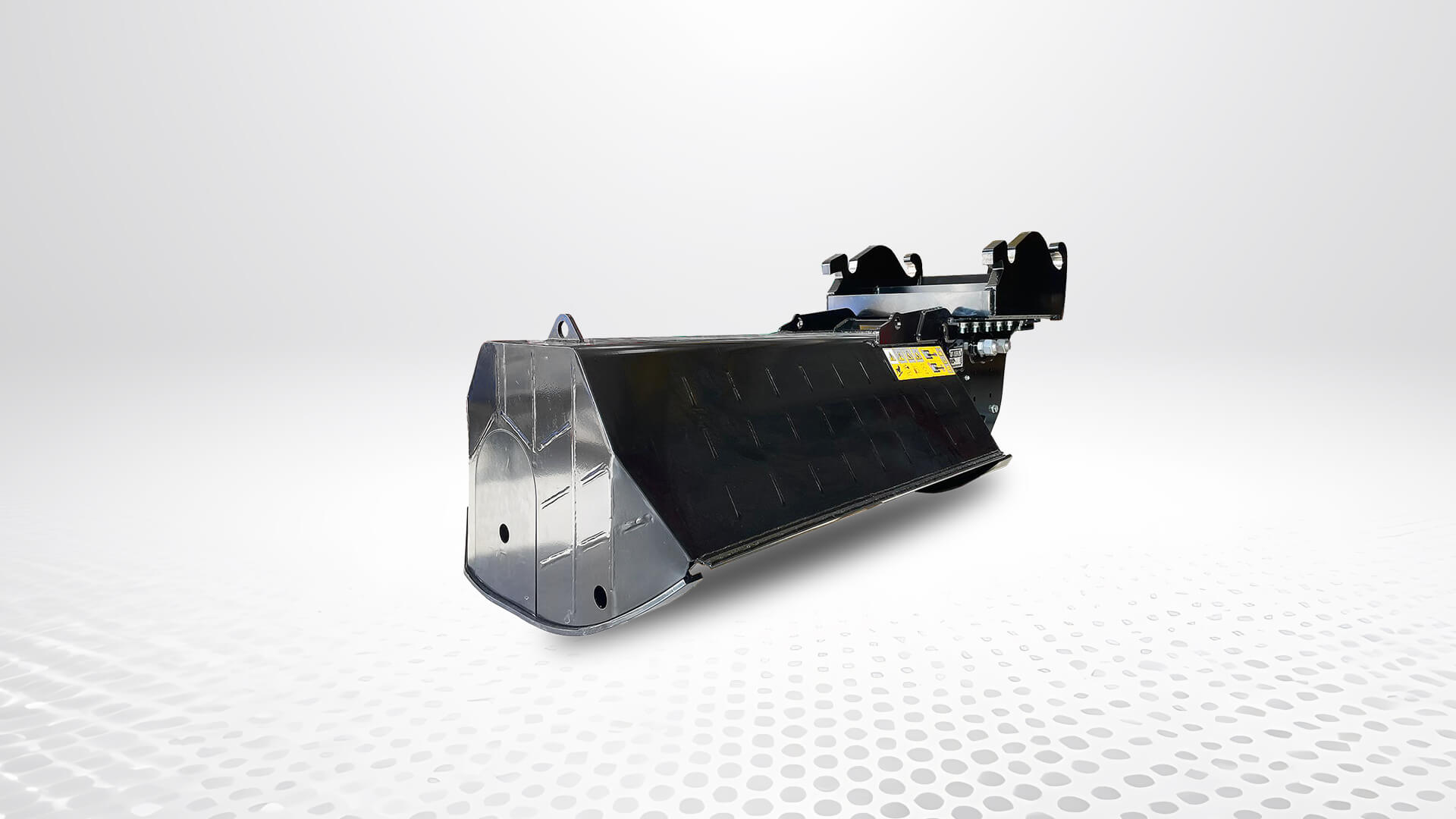
1. Regular Maintenance Activities
Routine maintenance is vital to prevent vegetation from becoming hazardous. Regular inspections should include assessing growth around signs, guardrails, and other critical infrastructure elements. Utilization of equipment such as skid steer mulchers allows for efficient clearing of undergrowth without extensive soil disruption.
2. Use of Eco-Friendly Land Clearing Methods
Adopting eco-friendly land clearing methods such as forestry mulching offers significant advantages over traditional land clearing techniques. This method minimizes soil disturbance while effectively reducing fuel loads that could contribute to wildfires. Mulched material can be left on-site as organic mulch, which enhances soil health and prevents erosion.
3. Fuel Reduction Efforts
In areas susceptible to wildfires, strategic fuel reduction through selective thinning and brush cutting is crucial. Maintaining a buffer zone along transportation corridors helps reduce fire spread potential while protecting infrastructure and adjacent communities. Techniques like forest mastication using specialized machinery—such as disc mulchers—can efficiently manage dense underbrush.
4. Habitat Restoration Initiatives
Balancing development with ecological preservation calls for habitat restoration projects where feasible. Restoring native plant species along transport corridors not only enhances aesthetic appeal but also supports local wildlife populations. Additionally, these efforts contribute positively to stormwater management by improving water infiltration rates.
5. Invasive Species Control
Addressing invasive species is paramount in preserving both ecosystem integrity and public safety along transportation routes. Regular monitoring followed by targeted removal efforts can prevent invasives from outcompeting native flora, which often leads to reduced biodiversity and increased maintenance costs over time.
The Importance of Collaboration
Successful vegetation management requires collaboration among various stakeholders including state departments of transportation (DOTs), local governments, environmental organizations, and community members. Communication between these groups ensures that goals align with broader environmental initiatives while addressing safety concerns related to roadways.
Community engagement can also foster local stewardship programs aimed at educating residents about the importance of maintaining healthy landscapes adjacent to roadways. Such programs may include volunteer days focused on planting native species or removing invasives.
Advanced Technologies in Vegetation Management
Modern technology continues to revolutionize how we approach vegetation management along transportation corridors:
- Remote Sensing: Utilizing drones equipped with cameras allows for high-resolution mapping of vegetation health across large areas. GIS Technology: Geographic Information Systems (GIS) enable data analysis regarding plant distribution patterns that inform management decisions. Smart Equipment: Advances in machinery design—like high flow mulchers—enhance operational efficiency while ensuring minimal impact on surrounding environments.
By integrating these technologies into routine assessments and maintenance operations, agencies can make data-driven decisions that optimize resource allocation.
Cost Considerations in Land Clearing Operations
When planning land clearing activities along transportation corridors, understanding cost implications is essential for budgeting purposes:
- The average cost to clear land per acre varies widely depending on location, type of terrain, density of vegetation, and chosen methods. Factors such as equipment rental prices for forestry equipment—including tractors equipped with mulching heads or excavator mulchers—also play a crucial role in determining overall costs.
Understanding these dynamics allows project managers to develop realistic budgets while ensuring compliance with regulatory requirements regarding environmental protection.
Conclusion: A Holistic Approach to Vegetation Management
Managing vegetation along transportation corridors requires an integrated approach that considers ecological principles alongside human safety needs. By implementing best practices such as regular maintenance activities, eco-friendly land clearing methods, collaborative efforts among stakeholders, advanced technologies in monitoring processes, and careful financial planning—all contribute toward sustainable outcomes that benefit both people and nature alike.
As we continue navigating challenges posed by urban development alongside ecological conservation efforts—the need for effective vegetation management will remain paramount in promoting safe and environmentally sensitive transportation infrastructures across our landscapes.